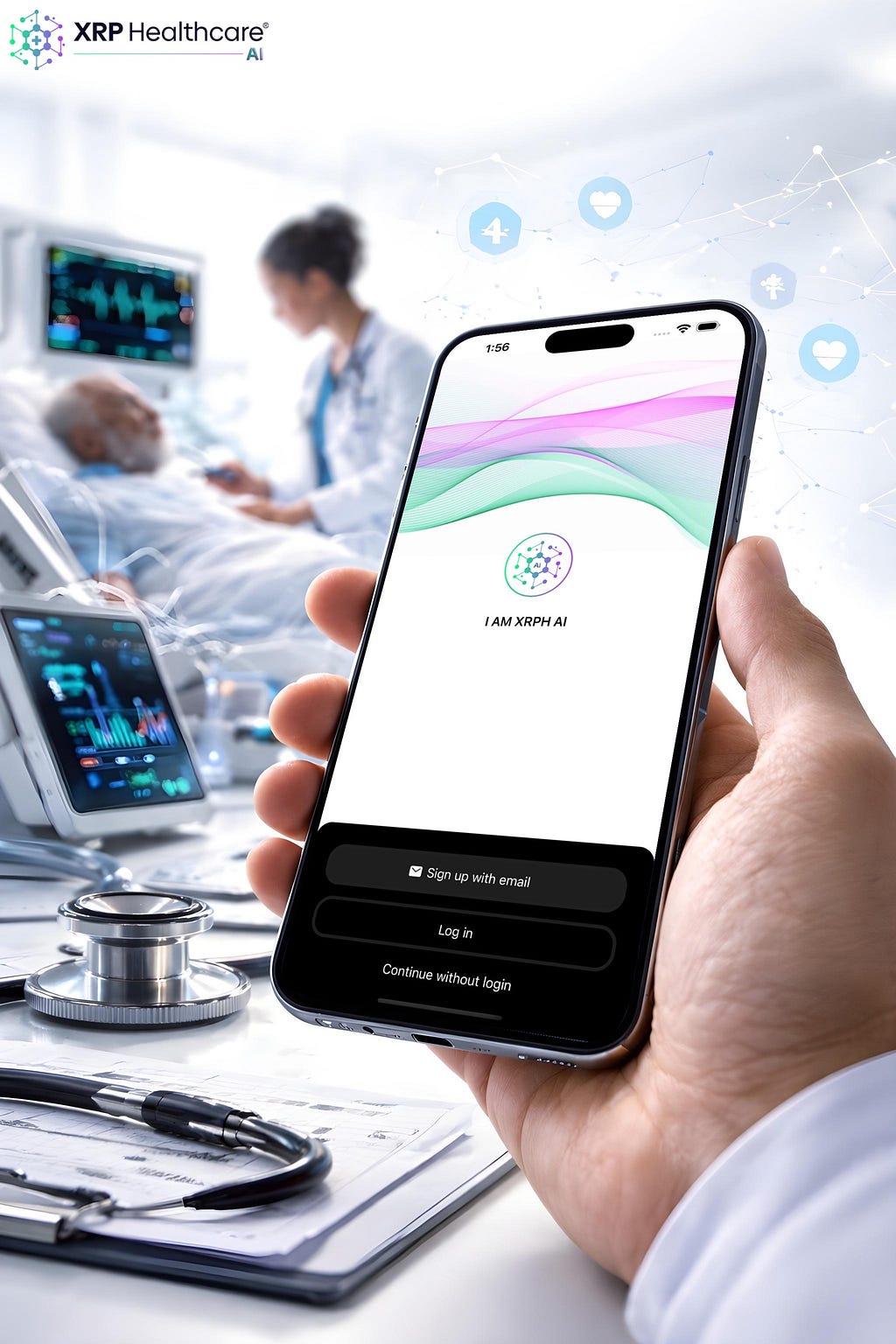
AI in healthcare is projected to exceed $180B by 2030 as mobile-first digital health platforms reshape global healthcare access.
Across the world, healthcare systems are undergoing a major technological shift as AI-powered tools begin transforming how medical information is accessed, analyzed, and delivered. What was once considered experimental technology is now becoming a foundational part of modern healthcare infrastructure.
From diagnostics and medical research to patient engagement and digital health platforms, artificial intelligence is accelerating innovation across one of the world’s largest industries.
This transformation is happening faster than many people realize.
The Rise of Artificial Intelligence in Healthcare
Healthcare has traditionally been slower than other industries when it comes to adopting new technology. However, artificial intelligence is beginning to change that dynamic.
AI systems are now capable of analyzing large volumes of medical data, assisting healthcare professionals with pattern recognition, improving clinical decision support, and helping patients access medical information more efficiently.
Industry projections highlight just how rapidly this field is expanding. The AI healthcare market is expected to exceed $180 billion by 2030, reflecting growing demand for intelligent healthcare systems that can improve both efficiency and accessibility.
Several factors are driving this growth:
• Rapid advances in artificial intelligence and machine learning
• Increasing demand for digital healthcare solutions
• Global expansion of telehealth services
• The shift toward mobile-first healthcare platforms
As these technologies mature, AI is becoming an essential layer within modern healthcare ecosystems.
Telehealth Adoption Is Accelerating Globally
Another major shift reshaping healthcare is the rapid expansion of telehealth.
Since 2019, telehealth adoption has increased more than 38×, fundamentally changing how patients access healthcare services. Virtual consultations, remote monitoring, and digital medical platforms are now becoming part of everyday healthcare delivery.
This surge in adoption reflects broader global trends, including:
• Greater smartphone accessibility
• Improved internet connectivity
• Increased demand for convenient healthcare access
• Healthcare systems adapting to digital infrastructure
Telehealth is helping reduce geographic barriers to care, enabling people to connect with healthcare resources regardless of location.
Mobile-First Healthcare Is Becoming the New Standard
One of the most significant changes in modern healthcare is the move toward mobile-first access.
Smartphones have become one of the most widely adopted technologies in the world, allowing billions of people to access services, information, and digital platforms instantly. In healthcare, this shift means patients increasingly interact with digital health tools through mobile applications rather than traditional systems.
Mobile-first healthcare platforms enable:
• Faster access to health information
• Digital consultations and remote care
• AI-assisted health insights
• Improved patient engagement
This model is particularly important in emerging markets where mobile devices often represent the most accessible gateway to healthcare services.
As digital health infrastructure continues evolving, mobile platforms will play a central role in the future of healthcare delivery.
Intelligent Systems Are Reshaping Healthcare Access
Artificial intelligence is enabling healthcare platforms to move beyond static information toward intelligent systems capable of supporting users in real time.
These systems can analyze symptoms, identify patterns, and provide structured information that helps users better understand their health and potential next steps.
When combined with mobile platforms and digital infrastructure, AI-powered healthcare tools can significantly improve how medical information is delivered, helping users access insights quickly and efficiently.
This convergence of AI, digital infrastructure, and mobile access represents one of the most important shifts currently taking place in global healthcare.
XRPH AI by XRP Healthcare
Within this evolving landscape, new platforms are emerging that aim to combine artificial intelligence with digital healthcare infrastructure.
XRPH AI by XRP Healthcare is advancing within this transformation by exploring how AI-powered systems can support healthcare access through intelligent digital tools.
The objective is to build systems capable of helping users access structured health information, insights, and guidance within a mobile-first environment.
As artificial intelligence continues expanding across healthcare, platforms that integrate intelligent systems with scalable digital infrastructure will play an increasingly important role.
A Global Healthcare Transformation
Healthcare is one of the largest industries in the world, and technological transformation within this sector tends to unfold gradually before accelerating rapidly.
Artificial intelligence, digital health platforms, and mobile infrastructure are now converging to create a new era of healthcare delivery.
In the years ahead, we will likely see the emergence of new technologies, new healthcare models, and new digital platforms designed to improve how people interact with healthcare systems globally.
For organizations building in this space, the work is only just beginning.
Major developments are underway.
#XRPH #XRP #Healthcare #Artificial #Intelligence #Transforming #Healthcare
About the Author